English Time Expressions for Kids
Time expressions tell us when something happens, how long it lasts, or how often it occurs. This guide to English Time Expressions for Kids: Words and Activities provides a practical set to teach and practise. Begin with now, today, and tomorrow; then add clock times, sequence words, and frequency phrases. Teach one group at a time. Younger children can name morning and night, while older learners can compare schedules, describe past events, and plan future activities.
📥 My English Time Expressions Practice Pack
Useful phrases, everyday sentences, gentle corrections, and a weekly routine tracker
Leave your email — we'll send the PDF to your inbox.No spam — the PDF plus one short reminder. Unsubscribe anytime.
Build a Useful Set of Time Expressions
Choose phrases from your child’s routine. Cover six groups: parts of the day, relative time, sequence, clock time, duration, and frequency. Model each phrase with a real event: breakfast in the morning, a lesson at five, or a visit next Saturday.
A strong lesson on English Time Expressions for Kids: Words and Activities begins with one group, not the whole table. Teach three to five phrases in complete sentences and reuse them for several days. Add another group after your child selects the correct phrases without a prompt.
Put the Phrases into Everyday Sentences
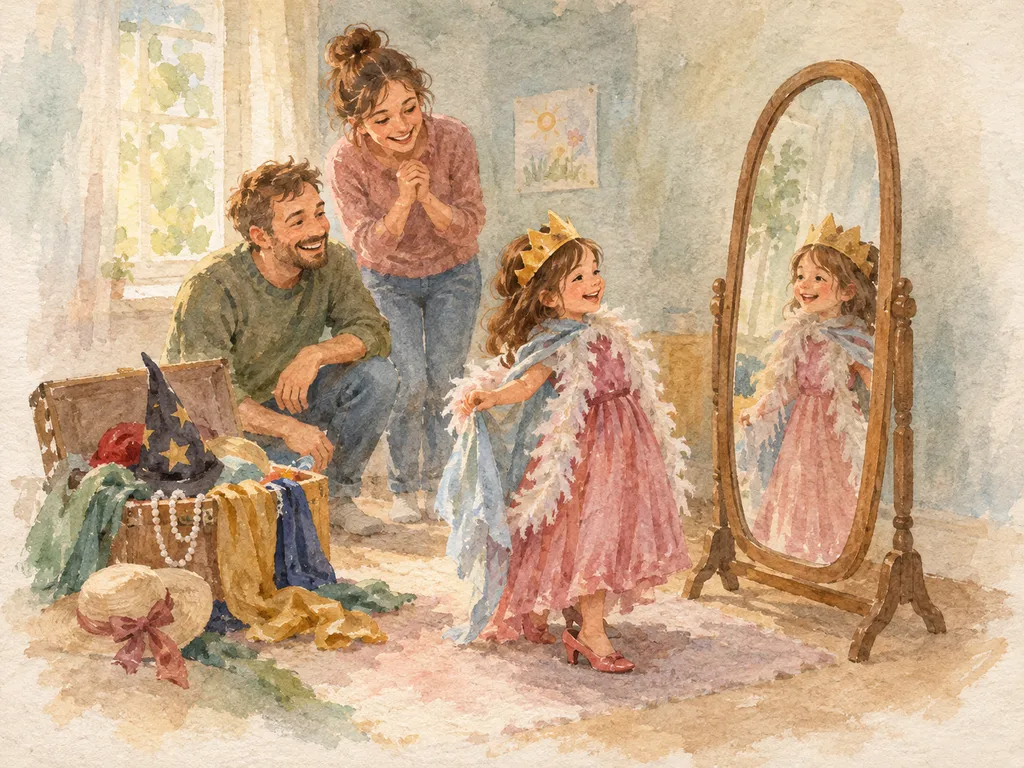
Time expressions should answer a real question. Ask, “When do we eat?” instead of requesting ten repetitions of in the evening. Your child might answer, “We eat at six,” “We eat after the lesson,” or “We usually eat in the evening.” Each answer practises a different time relationship.
Model past, present, and future together: “Yesterday we walked. Today we are resting. Tomorrow we will swim.” For a younger learner, use pictures or three spaces on the floor. For an older learner, ask for extra detail: “Yesterday we walked for twenty minutes before dinner.”
When practising English Time Expressions for Kids: Words and Activities, use accurate details from your family’s week. Build sentences from school days, meal times, weekends, and holidays. Familiar routines let the child connect each phrase to a specific event.
Choose Activities for Each Age
For school-age kids, make time visible. Place picture cards for waking, eating, playing, and sleeping in order. Say, “First we wake up. Then we eat.” Let your child move the cards while repeating one short sentence. You can also call out morning, afternoon, or night and ask the child to mime a suitable action.
For school-age kids, use a weekly grid or a paper clock. Your child can add familiar events and report them: “Swimming is on Tuesday at four.” Play a guessing game by hiding one event and giving clues such as, “It happens after school but before dinner.”
For school-age kids, plan a weekend, compare two schedules, or arrange an online meeting across time zones. Ask the learner to clarify whether a time uses the 12-hour or 24-hour clock. For English Time Expressions for Kids: Words and Activities, the best task is one that requires the learner to make a choice, not just copy a phrase.
Practise in Short Daily Routines
Run a two-minute time check at the same point each day. Ask three questions: “What did you do yesterday?”, “What are you doing now?”, and “What will you do tomorrow?” Accept a short answer, then ask for one detail such as a time, duration, or sequence word.
Choose the Time Word
Complete each sentence with at, on, in, before, or after.
1. We read ___ the evening.
2. The lesson starts ___ five.
3. We visit our cousins ___ Saturday.
4. I wash my hands ___ dinner.
5. We tidy the table ___ dinner.
Answers: 1. in; 2. at; 3. on; 4. before; 5. after.
Repeat the exercise with facts from your own week. Replace the day, time, and actions rather than repeating identical sentences. This keeps the grammar pattern stable while making the meaning fresh.
Multilingual children may first match a new phrase with an expression in another language they know. That comparison can help, but English still needs its own examples. Some languages use prepositions differently, and some divide the day into different time periods.
Fix Common Mistakes Without Stopping the Conversation
Children often mix up at, on, and in. Teach them as three simple patterns: at with a clock time, on with a day or date, and in with a month, year, or part of the day. Useful exceptions include at night, at noon, and at midnight.
A time phrase may also clash with the verb: “Yesterday I go to school.” Keep the focus on meaning and recast the sentence: “Yes, yesterday you went to school.” Then invite the child to say the full version. Correcting every word during a lively conversation can make the time expression harder to notice.
Watch for cultural and regional differences. Both at the weekend and on the weekend are used in English. Clock formats also vary, so learners should recognise both 17:30 and 5:30 p.m. If next Friday could mean two different dates, teach the child to add the date.
When a word has several meanings or pronunciations, Cambridge Dictionary is a useful check before turning it into child-friendly examples.
Frequently Asked Questions
Which Time Expressions Should a Child Learn First?
Start English Time Expressions for Kids: Words and Activities with now, today, yesterday, tomorrow, morning, afternoon, and night. Add first, then, before, and after when your child can describe a simple routine. These words support useful conversations before your child can read a clock or explain dates.
How Can Our Tutors Teach Clock Expressions Without Causing Confusion?
Begin with full hours that matter in your child’s routine, such as the start of a lesson or bedtime. Then add half hours and quarter hours. Show the digital form beside the spoken phrase: 7:30, seven thirty, and half past seven. Teach both common forms, but let your child use one confidently before expecting quick switching.
Should I Correct Every Mistake with a Time Expression?
Correct mistakes that change the meaning, but keep the conversation moving. If your child says, “The lesson is in five,” repeat, “Yes, the lesson is at five.” This gives a clear model without turning every answer into a test. During focused practice, ask your child to repeat the corrected sentence once and then use it with a different time.
Can My Child Use Another Language While Learning These Phrases?
Yes. Your child can compare an English expression with a phrase from another language, especially when learning ideas such as before, after, or once a week. Then return to an English sentence and a familiar situation. Avoid assuming that the two languages organise time in the same way; English prepositions and parts of the day need their own practice.
Want to see how these ideas work in a real lesson — try a LearnLink trial lesson.
Stay updated on our latest tips and resources by following us on Instagram LearnLink.